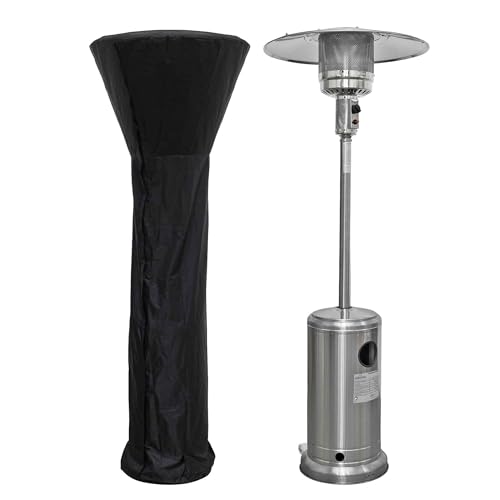
One Of The Most Untrue Advices We've Ever Received On Patio Heater Gas
Choosing the Right Fuel For Your Patio Heater There are a variety of options available for choosing the right fuel if you want to extend the lifespan of your patio heater. Patio heaters can be powered by gas, propane or electric. Most propane and gas patio heaters are designed to be portable. This allows you to easily move them if necessary. All Seasons and Times Patio heaters are an excellent way to extend the outdoor dining season through the colder months. A propane gas patio heater can warm the air allowing you to relax comfortably under its warmth even in cold temperatures. These heaters can be used in the majority of outdoor spaces and can be adjusted to suit both residential and commercial environments. They are available in a variety of sizes and styles – from small to large so you can select the one that is suitable for your space. A propane gas patio heat makes use of a burner that converts propane liquid into infrared light that radiates outwards into the surrounding area. It is a great way to heat up your outdoor space. There are a variety of options to choose from models that stand on the floor with a greater coverage area, or tabletop versions that are more mobile. The burners can be adjusted to meet your needs. Some models come with a safety shutoff switch which automatically turns the heat off in case of an emergency. Natural gas patio heaters use the same technology as propane-powered models however, they are connected directly to your home's gas line. This option is perfect for homeowners and will keep your patio warm for longer than a gas heater. This kind of patio heater is recommended to be installed by a professional, as it requires a special outdoor gas line. These outdoor heaters are great for homeowners because they can be used throughout the all year. They are also great for bars and restaurants as they can boost sales by keeping customers outside longer. This is especially beneficial in cold climates, where people are hesitant to stay indoors. They also require very little maintenance and are easy to maintain. patio gas heater for sale have sensors that detect potential problems and notify you of them for instance, low fuel levels or empty tank. This will help you save money and time and also the hassle of having to replace it or repair it. You can also purchase a cover for your patio heater, which will shield it from damage caused by harsh conditions such as snowfall or freezing temperatures. The product is suitable for DIY assembly Patio heaters come in a variety of fuel types such as propane, electric, and natural gas. Each type offers advantages but also negatives. Natural gas patio heaters, for example are more expensive in the beginning and require a permanent gas connection to your home. They are also less expensive to run and will provide heat for as long you require. On the other hand, propane patio heaters can be easily moved and are more portable. They also make use of lighters to ignite the burner instead of an electric igniter, which makes them more user-friendly. They might not be as effective at heating large areas but they're not as secure like patio heaters that use natural gas. In conditions of high winds propane patio heaters are more likely to catch fire. You should never leave your propane heater exposed to the elements when not in use. In addition, you must keep it in a safe place when not in use to prevent bugs and corrosion. It is possible to put together the majority of gas patio heaters yourself, but it is important to follow the guidelines provided by the manufacturer. If you're not sure, it's a good idea to consult an expert installer. You can find a reputable and reputable company online by using tools such as Homewyse's free service estimate tool. Regardless of the type of patio heater you select it is important to know the amount of the space you have to heat needs. Larger areas usually require more BTUs. Multiplying the size of your outdoor space by its average temperature will give you the number of BTUs required. You should also think about any unique features you may have on your patio, such as barbecue grills or a fire pit. Also, you should consider how much sunlight your patio gets and where it is located in relation to other buildings or your home. Then, you can choose the size of patio heater that is best suited to your needs. Also, you must consider the cost of labor, materials, as well as any permit or inspection costs that are required by your local municipality or township. More secure than electric heaters Since the outbreak of coronavirus, families and friends have been gathered outside more often. This has led to patio heaters becoming more popular than ever before. They offer a vivacious glow that counteracts the chill of a cold night and creates a warm social space. They are a great method to keep your friends and family warm, but it is crucial to select the best model for your requirements. Most patio heaters use propane gas or butane to heat your outdoor space. The fuel is burned through a burner that is mounted on poles. The flame is then directed at a silvered hood that is very effective in reflecting infrared radiation back into the area being heated. The result is a radiant heating system that is more secure and efficient than an open flame. Patio heaters can be installed at ground level or attached to a ceiling. This makes them ideal for spaces that want to preserve the sleek look of their spaces. They also require minimal maintenance and can be employed in many different purposes, including as a decorative feature under umbrellas or awnings. Patio heaters are more secure than electric models because they do not use electricity. They don't work as well in cold temperatures, and they are not able to replace a fireplace or an outdoor wood stove. Another advantage of patio heaters is that they can be powered with natural gas as well as liquid petroleum gas (LPG) propane, or butane. A gas regulator connects the hose to the cylinder and controls the pressure at which fuel is released. You can change the type of fuel without changing the regulator. Most patio heaters come with safety features as well as all the composite pieces you require. They also come with the complete set of instructions that explain how to assemble them. This is a major advantage over electric heaters, which require professional installation installed by an electrician. Gas patio heaters are more permanent to install than electric ones, but they're worth the investment if you plan to use them all year round. This is particularly true if you live in an area where temperatures drop during winter. It is important to follow the manufacturer’s instructions to ensure safety. Commercially suitable Patio heaters are now popular in many homes and offices because they create a warm, welcoming atmosphere that encourages guests to stay longer. They're particularly useful in restaurants and pubs, because customers tend to eat outdoors more often when they know that the establishment is going to have heat to keep them warm while they're eating. There are a range of different models available that range from wall-mounted to portable propane. Some models can be controlled via remote control, giving you the freedom to alter the heat settings and switch it on and off when you're ready to utilize your outdoor seating area. Gas patio heaters make use of a burner that burns propane, LPG or natural gas to heat a perforated metal screen. The screen then radiates infrared warmth into the area around the unit. The silvered hood that is on top of the burner is able to reflect the heat upwards, and reduces heat loss due to conduction. Gas patio heaters are an efficient and safer alternative to open flame devices such as fire pits, chimeneas, or other devices. Although these heaters were designed with safety in mind, they should never be left unattended. They are usually equipped with an element that stops the flame like a thermocouple that shuts off the gas if it ceases to burn. They're also usually secured to the ground with a secure base, so you don't have to worry about them falling over or igniting any nearby material that is flammable. Propane patio heaters are simple to operate and can be hooked up to a propane tank for residential use or commercial-grade cylinder. It is recommended to keep a fire extinguisher near the heater and be aware of any pets or children who may be playing near. It's important to check the gas levels regularly and replace the cylinders when needed. You should also avoid using propane cylinders that are used for heating in the indoors and store them upright with a tamper-proof protection system that is able to be able to withstand the force of a vehicle. Make sure that the heater is at least three feet from any combustible or fire hazards. Also, avoid using the heater in a gazebo, pergola, or awning since it could cause damage.